Do I need a smart meter to get an EV tariff?

Author: E.ON Next
Reading Time: 4 mins
Smart meters for an EV tariff.
If you’ve switched or are in the process of switching to an electric vehicle (EV), a hearty ‘Well done!’ It’s one of the best moves you can make – for the environment, but also in the long term, your pocket. That's because EVs have so far proven cheaper to run than an equivalent petrol or diesel model1.
If you haven’t already, you’re probably going to look into the best-value way to keep your vehicle charged up and ready to go, with a home charger and appropriate tariff.
What is an electric vehicle tariff?
It differs from the conventional kind of energy tariffs, which probably supply the electricity to wherever you live. EV tariffs are designed specifically to suit EV drivers who charge at home and especially focusing on charging overnight or ‘off-peak’.
As a rule, EV tariffs fall into two categories:
A “dynamic two-way tariff”, with different unit prices for peak and cheaper off peak charging.
A “single-rate tariff”, with consistent pricing 24 hours a day. These are less common nowadays, and whilst they won’t get you a big discount during the off peak, they may provide a single discounted rate, or other benefits such as bill credit2.
Get the lowdown on finding the best EV charging prices.

If you’re thinking of buying an electric vehicle (EV), or you’ve already made the switch, you’ll want to know the cost of charging it. Check out this explainer video.
Could an EV tariff help save me money?
It certainly could. If you plan to charge your electric car overnight when you’re less likely to be using it, the right EV energy tariff could save you money on your electricity bill. That’s because, unlike a single rate tariff, it will supply electricity at a lower rate per unit during the small hours when there’s less demand. Think of it like an Economy 7 tariff, just for your car.
But in case you see yourself getting out of bed to switch on your charger at 2am, don’t worry – you can schedule your charging time in advance. Depending on the tariff you choose, you can do it via your mobile using something similar to our E.ON Next app. Many new EVs also give you the option to do it through their infotainment system – but either way, you’re assured of efficient electric vehicle charging, and a peaceful night’s sleep.
Do I need a smart meter for EV charging?
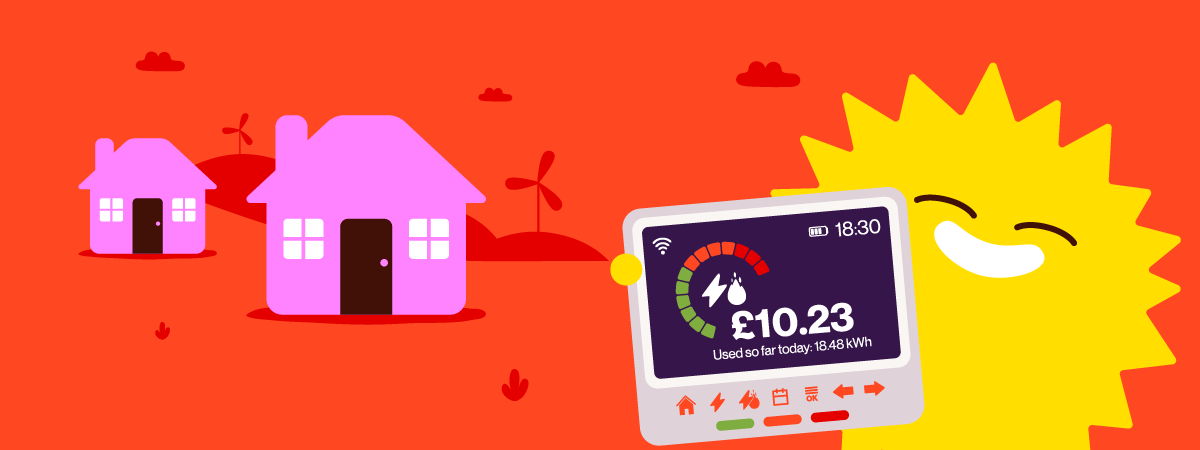
Whilst you don’t need one to have an EV charger installed, a smart meter is the key to unlocking the benefits of EV tariffs and making the most of those lovely, lower overnight charging rates.
It also means you can say goodbye to estimated bills, because with a smart meter your bill can be calculated down to the last penny.
Can I get an EV tariff without a smart meter?
Most, if not all EV energy tariffs will require you to have a smart meter. This makes sense, because the purpose of a smart meter is to tell your energy supplier how much you’re using – and just as importantly, when. That means they can be sure to bill you the cheaper, off peak price for electricity that comes with your EV tariff when you charge up overnight.
Over 5 million smart meters are now benefitting our customers, and if you don’t have one already you can get one for free. It will only capture and store data about your energy use every half hour, and nothing else. Your data is completely safe, because it’s handled in full compliance with data protection legislation and your supplier’s privacy policy.
You can read about what other E.ON Next customers have to say about their smart meters.
Smart meter customers have their say.

See what our smart meter customers say about their experience with smart meters. Meet Elizabeth & David who call their smart meter a 'brain in a box' and they use it to better monitor how much they spend on their energy.
The benefits of smart meters for EV charging.
A smart meter means you’ll have access to a home EV tariff, which is one of the most economical ways to charge your electric vehicle and it’s better value than plugging into a public charging station. And far more convenient. Just park up when you get home, plug in your EV, and you’ll be all ready to go in the morning.
Smart meters also live up to their name, by the way they can distinguish between different types of electricity use, like regular household consumption and electric vehicle charging. This means that when you plug in your electric vehicle to charge, the smart meter can identify it as a separate entity and record the energy use specifically for your vehicle.
Since you’ve almost certainly opted for an EV because they’re better for the environment 3you can keep track of your energy use and build better habits at home. By charging your EV at night, you’re helping to reduce strain on the National Grid during peak hours, leading to a more efficient energy system.
Home charging for your electric car.
At E.ON Next, we offer a choice of attractive home chargers. They can all be used in conjunction with an EV tariff for cheaper overnight charging rates.
All in all, by combining the benefits of a smart meter with an electric car tariff, like Next Drive, you could reduce your electricity bills and your carbon footprint.
- 1. The costs of running an electric car (RAC, 2025)
- 2. Electric vehicle energy tariffs (Clare Casalis, Money Saving Expert, 2026)
- 3. Are electric cars better for the environment? (RAC, 2021)
Published: 17/04/2024
Updated: 28/08/2024
Related Blogs

E.ON Next confirms it will pass on savings from VAT cut to customers.
Following the Government’s decision to remove VAT from electricity bills from 1 October, E.ON Next has confirmed it will pass on every penny of savings to its customers.

When is the cheapest time to use your washing machine?
Want to cut down on your electricity bill? Learn the best off-peak times to run your washing machine and save on utility expenses effortlessly.
Smart metering for developers: Streamlining your new meter connections.
Learn all about our standard smart meter installations when you’re a developer, including costs and technical requirements for new connections.

The real barriers and benefits of going electric. Insights from 5,000 UK electric vehicle drivers.
What's really stopping people from switching to electric vehicles? To find out, E.ON Next surveyed nearly 5,000 UK drivers. Read on to get the full lowdown.

Sunny days, smart export. Getting the most out of your solar this summer.
Curious what your panels could really be earning this summer? Find out what Next Optimise could do for your home.
Related Blogs
E.ON Next confirms it will pass on savings from VAT cut to customers.
Following the Government’s decision to remove VAT from electricity bills from 1 October, E.ON Next has confirmed it will pass on every penny of savings to its customers.
When is the cheapest time to use your washing machine?
Want to cut down on your electricity bill? Learn the best off-peak times to run your washing machine and save on utility expenses effortlessly.
Smart metering for developers: Streamlining your new meter connections.
Learn all about our standard smart meter installations when you’re a developer, including costs and technical requirements for new connections.
The real barriers and benefits of going electric. Insights from 5,000 UK electric vehicle drivers.
What's really stopping people from switching to electric vehicles? To find out, E.ON Next surveyed nearly 5,000 UK drivers. Read on to get the full lowdown.
Sunny days, smart export. Getting the most out of your solar this summer.
Curious what your panels could really be earning this summer? Find out what Next Optimise could do for your home.
Feel the Community power.
The E.ON Next Community is a space for customers to share experiences and offer advice. Find support or suggest your own energy topics, plus get involved in discussions on the latest energy news.

Recent Blogs
E.ON Next confirms it will pass on savings from VAT cut to customers.
Following the Government’s decision to remove VAT from electricity bills from 1 October, E.ON Next has confirmed it will pass on every penny of savings to its customers.

How half hourly settlement changed the energy market (and why it matters for your home).
Discover how mandatory half-hourly settlement is revolutionising the UK energy market. Learn how this change enables Next Optimise to automatically trade your solar battery for maximum savings.
When is the cheapest time to use your washing machine?
Want to cut down on your electricity bill? Learn the best off-peak times to run your washing machine and save on utility expenses effortlessly.