Get ready for winter with energy saving tips and financial support.
Find all the winter support on offer in one handy place.

Winter energy quick guide.
Welcome to our winter prep hub. The chilly season brings plenty of cosy evenings, warm mugs of tea, and time spent indoors with family. It also brings higher heating demand across our homes.
We want to make managing home energy as stress-free as possible. That’s why we’ve put together this simple, practical guide featuring hands-on checks you can do yourself, clever ways to keep heat inside your rooms, and clear details on the financial support options available if times get tough.
Key takeaways.
Short on time? Here’s your quick skim guide to the key actions you can take today.
Prevent heating breakdowns.
Take ten minutes to bleed cold radiators, check that your boiler pressure dial rests between 1.0 and 1.5 bar, and wrap exposed outdoor condensate pipes in foam lagging to prevent frozen blockages.
For added peace of mind, explore E.ON Next boiler cover.
Save on heating costs.
Portable electric fan heaters or oil radiators burn through power quickly.
Instead, lower your combi boiler flow temperature down to 60°C, seal up chilly door draughts, and turn down radiator valves in spare rooms.
Understand winter energy rates.
Energy usage naturally goes up when the weather turns cold.
Check our latest price cap predictions and analysis to stay informed on market trends and explore your tariff choices.
Get financial help.
If paying your energy bills becomes a strain, we are here for you.
You can apply to the E.ON Next Energy Fund, set up manageable payment plans, or join our free Priority Services Register.1
Pre-winter readiness and breakdown prevention.
Taking a few quick steps around your home before the cold weather sets in helps keep your heating running smoothly. A tiny bit of care today saves time, money, and unexpected chills tomorrow.

Radiators bled and warm all the way to the top.
Boiler pressure gauge sitting steadily between 1.0–1.5 bar.
External condensate pipe lagged with waterproof foam sleeve.
Bleed your radiators.
If your radiators feel warm at the bottom but chilly at the top, air is trapped inside. That air blocks hot water from circulating, meaning your boiler works harder than it needs to. Here is how we fix it together:
Turn off your heating and let the radiators cool down.
Insert a radiator key into the valve at the top corner of the radiator.
Keep a rag handy and turn the key slowly anti-clockwise until you hear a soft hiss.
Once a small drop of water appears, close the valve firmly.
That simple step lets water fill the space again so heat spreads evenly across your room.
Check your boiler pressure.
Your boiler works best when its internal pressure is balanced. Take a look at the dial on the front panel. It should rest comfortably between 1.0 and 1.5 bar when the system is off and cool.
If the needle drops below 1.0 bar, your system is under-pressurised, which can reduce heating efficiency. You can top it up yourself using the filling loop underneath your boiler, just turn the small levers gently until the gauge rises back into the green zone. If the pressure drops regularly, let a qualified engineer take a look, as there might be a small leak in the pipework.
How to check your boiler pressure.

Make sure your boiler's running at the correct pressure by watching our walkthrough guide on how to check its water pressure.
Insulate condensate pipes.
Modern condensing boilers have a plastic pipe running outside to discharge waste water. During freezing spells, that water can freeze inside the pipe, causing your boiler to shut down as a safety measure.
You can easily prevent this freeze-up with some inexpensive foam pipe lagging, and slip it over any exposed outdoor pipework. It takes five minutes and keeps water flowing freely even when frost arrives.
Protect against unexpected repairs.
Boiler troubles always seem to happen on the coldest mornings. You can shield your operations from sudden repair costs by looking into E.ON Next boiler cover options. Having dedicated protection means expert help is just a phone call away when you need it most.
Gas boiler cover.
With your gas boiler being an essential part of your home, you can rely on HomeServe to get things up and running again if something goes wrong. With boiler cover you'll get:
Repairs to your home's gas central heating boiler, including controls.
Unlimited number of claims – call on HomeServe as many times as you need to.
All from £6.98 per month.

Upgrade old heating systems.
If your boiler is pushing past its tenth birthday, it might be using far more fuel than necessary. You can check out our guide to boiler replacement to explore modern high-efficiency gas boilers.
Or, if you want to lower your direct carbon emissions, read about how to replace your boiler with a heat pump. Heat pumps use electrical power to draw heat from the outside air or ground, providing clean, consistent warmth for years to come.
Staying warm without high electric heating bills.
When cold draughts hit, it is tempting to plug in portable fan heaters or oil radiators. But standard plug-in electric heaters are expensive to run for long periods. Here are smarter, practical choices to keep heat inside your building without driving up electricity costs.
Quick win: Combi boiler flow temperature.
Set your combi boiler flow temperature to 60°C. It retains comfort while reducing overall gas use.
Heat the space you use.
Avoid wasting heat on empty areas. Keep doors closed between rooms to hold warmth inside the living spaces you’re using. Turn thermostatic radiator valves (TRVs) down to setting one or two in spare bedrooms or hallways, while leaving them on a cosy setting in the lounge or dining room.
Lower your flow temperature.
If you have a condensing combi boiler, it likely heats water to 70°C or 80°C by default. Dropping the heating flow temperature down to 60°C allows your boiler to run in its efficiency range, using less gas while keeping your rooms comfortable.
Simply adjust the heating knob or digital settings panel on the front of your boiler. The heating might take a few minutes longer to warm the room initially, but it will run far more economically.
Eliminate draughts.
Cold air creeping in through gaps under doors, around window frames, or through letterboxes forces your heating to run continuously. Simple draught-proofing fixes make an immediate difference.
Fit brush strips or foam draught excluders along door bottoms.
Seal leaky window gaps with silicone sealant or self-adhesive foam tape.
Install a letterbox flap or brush to keep cold gusts outside.
Utilise natural warmth and curtains.
Make the most of free heat. Keep blinds and thermal curtains open on sunny winter days to let natural sunlight warm your rooms. As soon as dusk falls, draw thick curtains or close thermal blinds to add a protective layer against cold window glass.
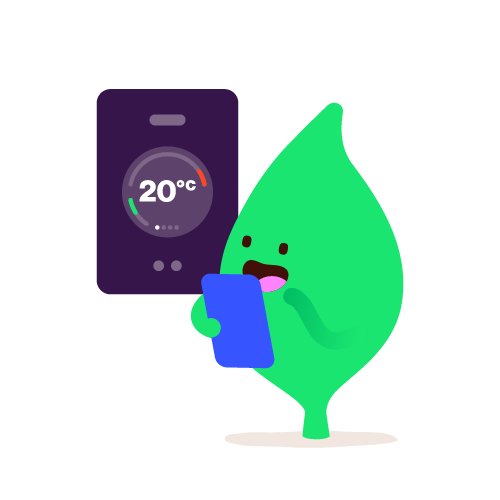
Lower the thermostat slightly.
Turning your central heating thermostat down by just 1°C can save up to 10% on annual heating bills for an average household. Keeping your main thermostat between 18°C and 20°C creates a comfortable, healthy climate without wasting energy.2
Winter energy saving Q&A.
If you've still got questions about creating a cosy home this winter, we've got you. Here are simple, transparent answers to questions many of us have about managing household bills and winter energy costs.
What checks can I do to reduce the risk of heating breakdown in winter?
Start by testing your heating before the cold sets in. Run your boiler for 20 minutes in early autumn to catch any issues before engineers get busy.
Bleed air from chilly radiators, verify that boiler pressure stays between 1.0 and 1.5 bar, and wrap external condensate pipes in foam lagging. For extra reassurance against repair costs, consider securing coverage through E.ON Next boiler cover.
If your unit is older than 10 to 15 years, take a look at our guide to boiler replacement to see if you could replace your boiler with a heat pump for a modern, low-carbon upgrade.
How do I stay warm in the winter without spending a fortune on electric heating?
Avoid using portable electric fan heaters as your main heat source, as they run on peak power rates. Instead, focus on keeping heat where you need it most.
Dress in layered clothing, use draught excluders on draughty doors, and lower thermostatic radiator valves in empty rooms. Setting your combi boiler flow temperature down to 60°C also cuts down overall gas consumption without sacrificing comfort.
Are energy prices likely to rise again this winter?
Energy costs fluctuate based on global market conditions and the quarterly Ofgem Energy Price Cap adjustments. Because heating usage naturally rises during cold months, total seasonal bills are usually higher in winter than in summer.
To track market trends, understand unit rate shifts, and pick the best tariff for your usage, check our detailed price cap predictions and analysis. Fixing your tariff could help, by protecting you from price increases,and giving you peace of mind.
What financial support is available if I am struggling with energy costs?
If paying your energy bills becomes difficult, please talk to us as soon as possible. We offer several practical support options tailored to your situation:
Financial support options.
E.ON Next Energy Fund. Grants are available to help clear energy account arrears and replace old, inefficient appliances for eligible customers.
Flexible payment plans. We can work together to set up manageable repayment arrangements that align with your current monthly budget.
Priority Services Register (PSR). Our free register offers extra support, priority notice during outages, and specialized help for vulnerable customers or those with health needs.
Government schemes. You may also qualify for external government assistance, like the Warm Home Discount Scheme, so it’s worth checking what you qualify for.
Let us make this winter simpler, together.
Managing energy costs takes a bit of planning, but you do not have to do it alone. By taking a few practical steps, like bleeding radiators to tweaking boiler settings, you can keep your home warm, lower your energy usage, and keep costs under control.
If you ever feel unsure about your bills or need extra time to pay, reach out to our team early. We’re here to help you find the right path forward, every step of the way.
Need some extra help?
If you're a vulnerable customer and want some extra support, we're here to help.

The legal bit.
1 E.ON Next Energy Solutions Limited acts as a credit broker/appointed representative for energy-related services. Terms, conditions, and eligibility criteria apply to all grants under the E.ON Next Energy Fund and Priority Services Register. Savings from thermostat adjustments depend on building type, insulation levels, and heating system configuration.
2 Source: Energy Saving Trust.