Can your home battery still save you money in winter?

Author: Hannah Pemberton
Reading Time: 6 mins
Shorter days and less sunshine mean your solar panels won't generate as much electricity during winter. But does that mean your home battery has less opportunity to save or earn you money? Not necessarily.
While solar generation drops during the colder months, changing weather conditions can create different opportunities for home batteries. And with the E.ON Next Optimise tariff, your battery can take advantage of those opportunities automatically.
Less sunshine, more wind: How winter changes the energy market.
During summer, your solar panels might generate enough electricity to power your home, charge your battery and even earn you money by exporting excess electricity back to the grid.
But as winter approaches, that picture changes.
Shorter daylight hours, less direct sunlight and cloudier conditions mean solar panels generate significantly less electricity. Even on a clear winter day, your panels are unlikely to produce as much electricity as they would during the height of summer.
For households with solar panels and a battery, that means there's often less excess solar electricity available to store for later.
But solar is only part of the renewable energy picture.
Wind generation tends to be stronger during the winter months, when weather systems bring more frequent periods of high winds. And because wind power makes up a significant share of our electricity supply, those windy periods can have a noticeable impact on wholesale electricity prices.
When wind farms are generating large amounts of electricity, supply can increase faster than demand. That can push wholesale prices down, sometimes even below zero.
The opposite can happen during cold, still periods.
When wind generation is low and households are using more electricity for heating, lighting and appliances, demand can be high relative to available supply. Wholesale prices can rise as more expensive sources of generation are needed to meet demand.
How can your home battery save or earn money during winter?
Let's look at how this could work on a winter day. Imagine it's a windy January night. Electricity demand is relatively low, but wind farms are generating plenty of power.
With more electricity available on the grid, wholesale prices fall. Your battery charges using cheaper electricity from the grid, storing that energy for later.
The following evening, conditions change. The wind drops, temperatures fall and households start using more electricity. Demand increases, and wholesale prices rise.
Now, instead of buying electricity from the grid at a higher price, your home can use the energy stored in your battery.
And if export prices are favourable, your battery could also send some of that electricity back to the grid, earning money in the process.
This is sometimes called electricity price arbitrage. It simply means buying electricity when it's cheaper and using or selling it when it's more valuable.
The challenge is knowing when to charge, when to use stored electricity and when to export it. Getting that timing right can make a difference to how much you save or earn from your battery.
Why charging your battery overnight isn't always the best option.
Home batteries can charge using electricity from the grid, rather than relying entirely on solar generation. With an off-peak tariff such as Economy 7, households can schedule charging during cheaper overnight hours.
For some households, this can be an effective way to reduce electricity costs, particularly during winter when solar generation is limited. But wholesale electricity prices don't follow a fixed schedule.
The cheapest electricity might be available overnight, during the afternoon or at another point entirely. A fixed charging schedule won't necessarily account for those changes.
And getting the most from your battery isn't just about finding the cheapest electricity.
It also means considering how much energy your household is likely to use, how much solar power you'll generate and whether there could be an opportunity to earn money by exporting electricity later.
Charging your battery to full capacity too early could mean missing a better opportunity later in the day.
This is where automated battery optimisation comes in, particularly during winter when shorter days, changing weather conditions and higher electricity demand can make those decisions more complex.
Of course, lower wholesale prices don't automatically translate into cheaper electricity for every household. The savings and earnings available depend on your tariff, battery setup and export arrangements.
How Next Optimise helps your battery make the most of winter.
E.ON Next Optimise is a dynamic electricity tariff for households with solar panels and a compatible home battery. Unlike traditional fixed-rate tariffs, its import and export prices change throughout the day in response to wholesale electricity market conditions.
This means prices can go up as well as down, creating opportunities to reduce electricity costs by charging and exporting at the right times.
Next Optimise takes the work out of deciding when to charge, discharge or export electricity from your home battery.
Rather than relying on a fixed charging schedule, it uses forecasts of electricity prices, household energy use and solar generation to plan how your battery should operate.
Those forecasts are updated every five minutes, allowing Next Optimise to adjust its plans as conditions change.
So, what does that mean during winter?
When electricity prices are low: Next Optimise can identify opportunities to charge your battery from the grid, storing cheaper electricity for later.
When prices rise: Your battery can use stored electricity to power your home or export it when there's an opportunity to earn.
When your solar panels are generating: Next Optimise considers expected solar generation when deciding whether to charge from the grid, use solar electricity or preserve battery capacity.
When conditions change: Updated forecasts allow Next Optimise to adjust its plans throughout the day rather than relying on decisions made hours earlier.
You don't need to monitor electricity prices or manually decide when to charge and export. Next Optimise takes care of those decisions for you. Eligibility and terms and conditions apply.
What about the effect of cold weather on your battery?
So far, we've looked at how winter changes the electricity market. But what about the impact of colder temperatures on the battery itself?
Most modern home batteries use lithium-ion technology, which operates best within a specified temperature range. When temperatures drop too low, a battery's management system may temporarily limit charging or discharging to protect its cells.
How much cold weather affects your battery depends on the model and where it's installed. A battery in an unheated garage or outdoors may experience lower temperatures than one installed in a more sheltered location.
Cold weather doesn't automatically damage your battery, and many systems have built-in protections to help manage temperature changes. It's worth checking your manufacturer's recommended operating temperatures, particularly before winter.
So, is a home battery still worth it in winter?
While your solar panels might generate less electricity during winter, that doesn't mean your battery has to sit idle.
How much you could save or earn depends on electricity prices, your tariff, battery capacity and household energy use. Not every winter day will offer the same opportunities, and charging costs and battery efficiency also affect the overall value.
But with Next Optimise, your battery can continue looking for opportunities to save and earn throughout the year, automatically adjusting its plans as conditions change.
So while your solar panels might be taking a bit of a back seat during the colder months, your battery doesn't have to.
Want to see what E.ON Next Optimise could do for your home battery? Check your eligibility and get a quote.
Published: 23/11/2026
Updated: 23/11/2026
Related Blogs
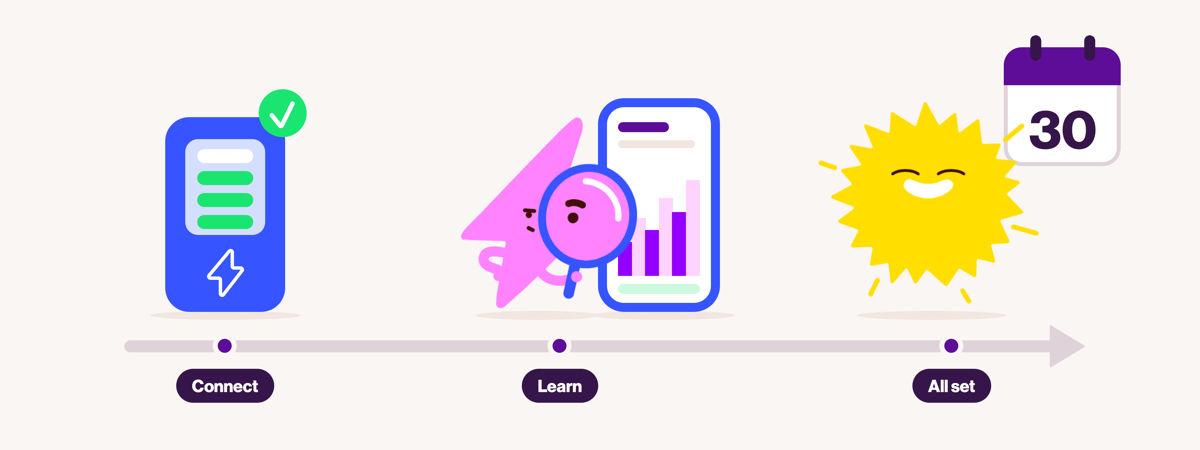
What to expect in your first 30 days with E.ON Next Optimise.
Connected your home battery to E.ON Next Optimise? Learn how our smart software learns your energy habits, manages grid charging, and tracks your early savings.

Power up your solar savings with our dynamic tariff for solar and home battery systems in the UK.
A tariff for solar and battery in the UK can help you optimise solar energy usage and cut cuts with our specialised smart energy tariff.

Real home battery savings: How Dave is making the most of Next Optimise tariff.
Discover how Dave achieved near-zero bills by automating his solar battery with Next Optimise dynamic tariff technology.
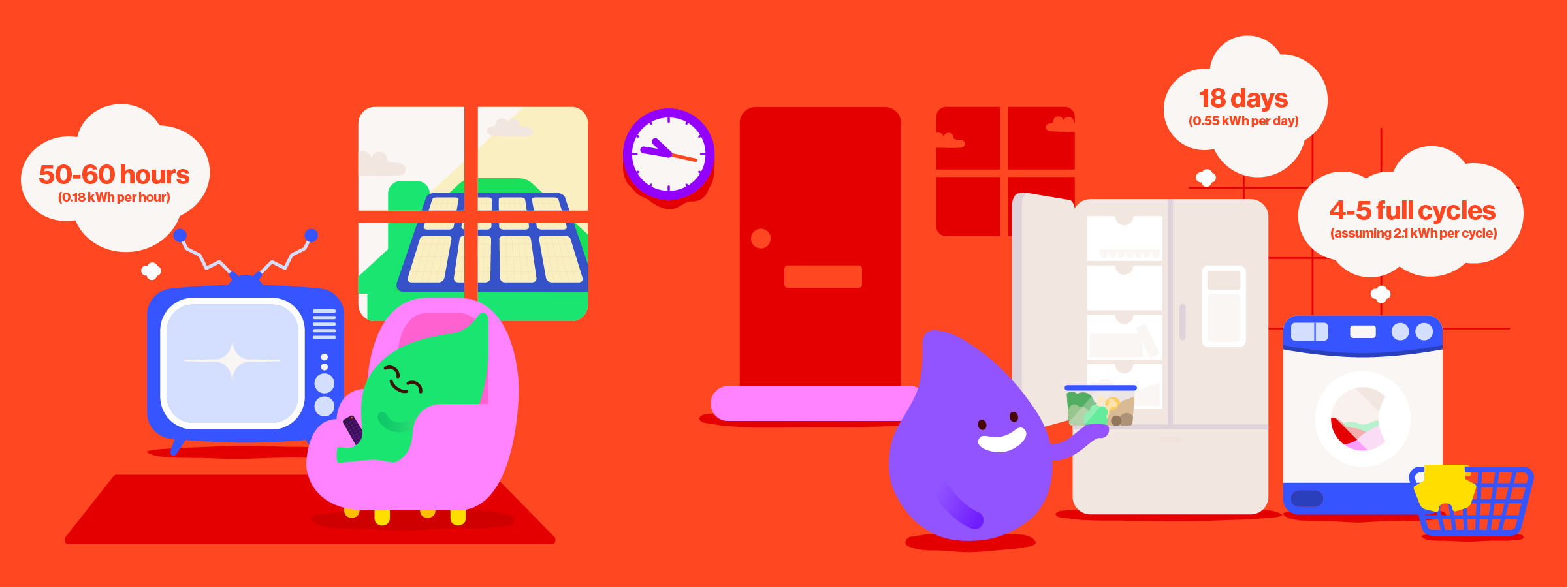
What is the average solar panel system’s output per day in the UK?
We explore the average solar panel output per day in the UK and how it impacts your energy savings.

Is my home ready for Next Optimise?
This guide walks through what you need, what to check, and what to do before you get started with Next Optimise.
Related Blogs
What to expect in your first 30 days with E.ON Next Optimise.
Connected your home battery to E.ON Next Optimise? Learn how our smart software learns your energy habits, manages grid charging, and tracks your early savings.
Power up your solar savings with our dynamic tariff for solar and home battery systems in the UK.
A tariff for solar and battery in the UK can help you optimise solar energy usage and cut cuts with our specialised smart energy tariff.
Real home battery savings: How Dave is making the most of Next Optimise tariff.
Discover how Dave achieved near-zero bills by automating his solar battery with Next Optimise dynamic tariff technology.
What is the average solar panel system’s output per day in the UK?
We explore the average solar panel output per day in the UK and how it impacts your energy savings.
Is my home ready for Next Optimise?
This guide walks through what you need, what to check, and what to do before you get started with Next Optimise.
Recent Blogs
What to expect in your first 30 days with E.ON Next Optimise.
Connected your home battery to E.ON Next Optimise? Learn how our smart software learns your energy habits, manages grid charging, and tracks your early savings.
Power up your solar savings with our dynamic tariff for solar and home battery systems in the UK.
A tariff for solar and battery in the UK can help you optimise solar energy usage and cut cuts with our specialised smart energy tariff.
Real home battery savings: How Dave is making the most of Next Optimise tariff.
Discover how Dave achieved near-zero bills by automating his solar battery with Next Optimise dynamic tariff technology.